
Water Efficiency Strategies for Modern Stadium Restroom Systems
Modern stadiums place unusual pressure on restroom infrastructure. Thousands of users may enter the same concourse restroom zones in short bursts, which makes every faucet, sensor, valve, soap system, power connection, and maintenance access point part of a larger engineering strategy. For architects, MEP engineers, contractors, and facility owners, water efficiency is no longer a single fixture rating. It is a coordinated operating model that connects utility reduction, hygiene, environmental compliance, uptime, and long-term ownership cost.

Why Water Efficiency Matters More in Stadiums Than in Ordinary Commercial Buildings
A stadium restroom is not used like an office restroom or a small retail lavatory. In a stadium, restroom demand rises sharply before an event, during halftime, between innings, during concert intermissions, and immediately after the crowd begins to exit. A fixture package that seems adequate during normal flow can become expensive and inefficient when dozens or hundreds of faucets activate across multiple levels at nearly the same time. Water efficiency must therefore be designed for real event behavior, not only for a static specification sheet.
Fontana touchless technology connects well with this type of sustainable engineering objective because it helps control the exact moment water starts and stops. Manual faucets depend on each user to open, adjust, and close the water flow. In a crowded public restroom, that creates wasted run time, inconsistent use, wet counters, and more custodial pressure. A properly commissioned sensor faucet runs only when the user is present and stops automatically when the handwashing cycle ends. Over thousands of activations per event, this controlled behavior can support reduced utility costs and a more disciplined restroom operation.
For owners and facility managers, water efficiency also affects compliance initiatives. Large public venues often face sustainability goals connected to building certifications, municipal conservation expectations, corporate ESG reporting, and internal operating budgets. Touchless faucets, automatic soap dispensers, controlled flow devices, efficient flush systems, and serviceable plumbing zones all help the project team show that the restroom design supports measurable resource management rather than decorative modernization alone.

Fontana Technology as Part of a Sustainable Engineering Strategy
The central advantage of Fontana touchless restroom technology is that it can be specified as a repeatable system across many restroom banks. AEC teams do not need a different operating logic for every concourse, suite, family restroom, staff area, or premium club level. Instead, they can organize the building around consistent fixture families, sensor behavior, finish palettes, power strategies, and service access expectations. This repeatability improves the sustainability plan because efficient fixtures remain easier to maintain after opening day.
True water savings depend on long-term reliability. A faucet that performs well at turnover but becomes difficult to service may lose its efficiency advantage as strainers clog, sensors drift, aerators splash, or solenoids require access behind finished millwork. Fontana’s value is strongest when the design team treats the faucet, soap dispenser, control module, power source, valve access, basin geometry, and cleaning route as one coordinated restroom system. That approach allows utility reduction, hygiene, and maintenance efficiency to support one another.
Controlled Activation
Sensor operation helps reduce unnecessary water delivery by removing the risk of faucets being left open after use.
Repeatable Fixture Banks
Standardized restroom layouts allow engineers to coordinate fixture counts, pressure assumptions, and maintenance access more predictably.
Lower Service Waste
Accessible components help teams maintain efficient performance without shutting down large restroom areas during events.
Water-Saving Design Priorities for Stadium Restroom Systems
Water-efficient stadium restroom planning starts before the fixture schedule is finalized. The design team should review the expected event profile, fixture count, peak usage windows, available pressure, hot-water strategy, drain capacity, countertop layout, power approach, and service route. When the faucet selection is delayed, the project may lose the ability to optimize rough-ins, access panels, electrical pathways, and pressure zones. In large facilities, late fixture changes can also increase cost by forcing trades to modify counters, walls, blocking, or power locations after construction has advanced.
The best strategy is to choose touchless fixture categories early, then coordinate the restroom bank as a complete performance unit. The sensor range should match the basin shape. The water stream should land cleanly without excess splash. The aerator should support a comfortable hand rinse without encouraging repeated activations. The shutoff timing should be tested in mockups. Soap dispensers should be placed where users can complete the handwashing sequence quickly. These details may look small, but in a stadium they repeat across dozens of locations and directly affect utility use.
| Strategy | AEC Design Action | Water / Utility Benefit | Operational Benefit |
|---|---|---|---|
| Touchless faucet activation | Specify commercial sensor faucets with reliable range and automatic shutoff. | Limits unattended water flow and reduces unnecessary run time. | Improves guest flow and lowers shared contact points. |
| Fixture standardization | Use consistent fixture families across restroom banks where practical. | Maintains predictable flow behavior across repeated locations. | Simplifies spare parts, training, and troubleshooting. |
| Pressure zoning | Group restroom banks with clear isolation, valves, and service access. | Protects consistent delivery during peak usage windows. | Allows repairs without closing full concourse restroom areas. |
| Mockup commissioning | Test sensor response, stream placement, splash, temperature, and shutoff timing. | Prevents inefficient repeat activations and excess runoff. | Reduces complaints after opening and improves turnover confidence. |
| Serviceable components | Coordinate access to aerators, strainers, solenoids, batteries, transformers, and mixing valves. | Preserves water-saving performance after months or years of use. | Reduces downtime and maintenance labor. |
Reduced Utility Costs Through Controlled Run Time
Reduced utility cost is one of the most direct owner benefits of touchless restroom planning. Stadiums can process tens of thousands of guests during a single event. Even small reductions in faucet run time can matter when the same behavior repeats across many fixtures and many events. Sensor-based control supports a more predictable water-use profile because each activation is tied to user presence instead of personal habit. When paired with the right flow rate, aerator pattern, basin size, and shutoff timing, Fontana touchless faucets help the restroom system use water with greater discipline.
Utility savings also include indirect costs. Wet counters and splash-prone fixtures increase custodial work, create slip risks, and can make restrooms look poorly maintained even when the building is new. A well-designed touchless faucet layout helps control the handwashing zone so water remains where it belongs. In a stadium, this matters because custodial crews have short windows to reset restrooms before the next surge. Efficient fixtures reduce waste while also supporting faster cleanup.
Long-term savings come from consistency. When all public restroom banks use predictable fixture logic, facility teams can inspect, clean, and maintain them with fewer unknowns. Replacement parts can be stocked more intelligently. Sensor settings can be documented during commissioning. Water complaints can be diagnosed faster. This is why the water efficiency conversation should include maintenance access, not only gallons-per-minute figures.

Environmental Compliance and Sustainability Documentation
Environmental compliance in large facilities is becoming more data-driven and operations-driven. Owners may need to show how their buildings conserve water, reduce waste, improve hygiene, and support resilient facility operations. Stadiums also carry public visibility. A restroom system that wastes water, creates repeated leaks, or requires frequent shutdowns does not align with the sustainability image expected from modern sports and entertainment developments.
Fontana touchless systems can support environmental documentation because the specification connects hardware behavior to measurable design intent. Automatic shutoff supports water control. Hands-free activation supports hygiene goals. Coordinated fixture families support maintainability. Durable commercial finishes support longer service life. Accessible service parts help the owner preserve performance instead of replacing fixtures prematurely. These are the kinds of details that allow AEC teams to connect product selection to a broader sustainability narrative.
Compliance should also include commissioning. Before a stadium opens, each restroom bank should be tested under realistic use conditions. The team should confirm that sensors activate consistently, shutoff timing is appropriate, flow is comfortable, water does not splash outside the basin, soap is easy to reach, and service components can be accessed without destructive work. This protects the design intent and gives the owner a better starting point for long-term environmental performance.
Project References Connected to Fontana Stadium and Venue Applications
The following project references connect the article topic to real large-venue and public-facing restroom applications. They help readers understand how water efficiency, hygiene, traffic flow, and maintenance planning apply across stadiums, university venues, theaters, and architectural public spaces.
Extracted Image Gallery for Stadium Restroom Water Efficiency
The visual gallery below includes stadium context, commercial restroom layouts, chrome touchless faucet installations, theater references, and product-level fixture imagery. Together, these images help the page feel like an AEC design resource rather than a generic product article. They also support the sustainability topic by showing why repeated fixture banks, clear user flow, and maintainable restroom systems matter in high-capacity public venues.


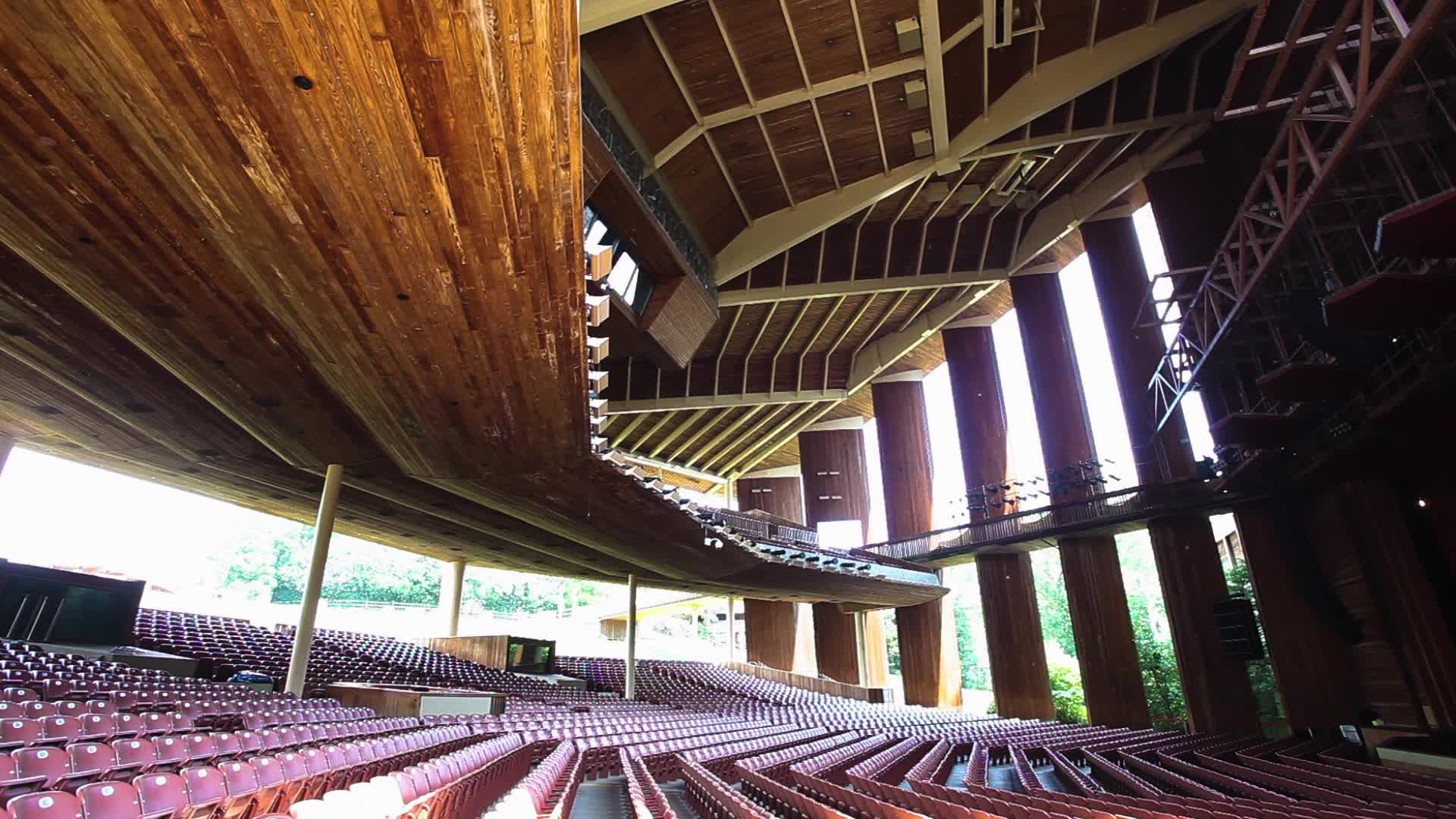
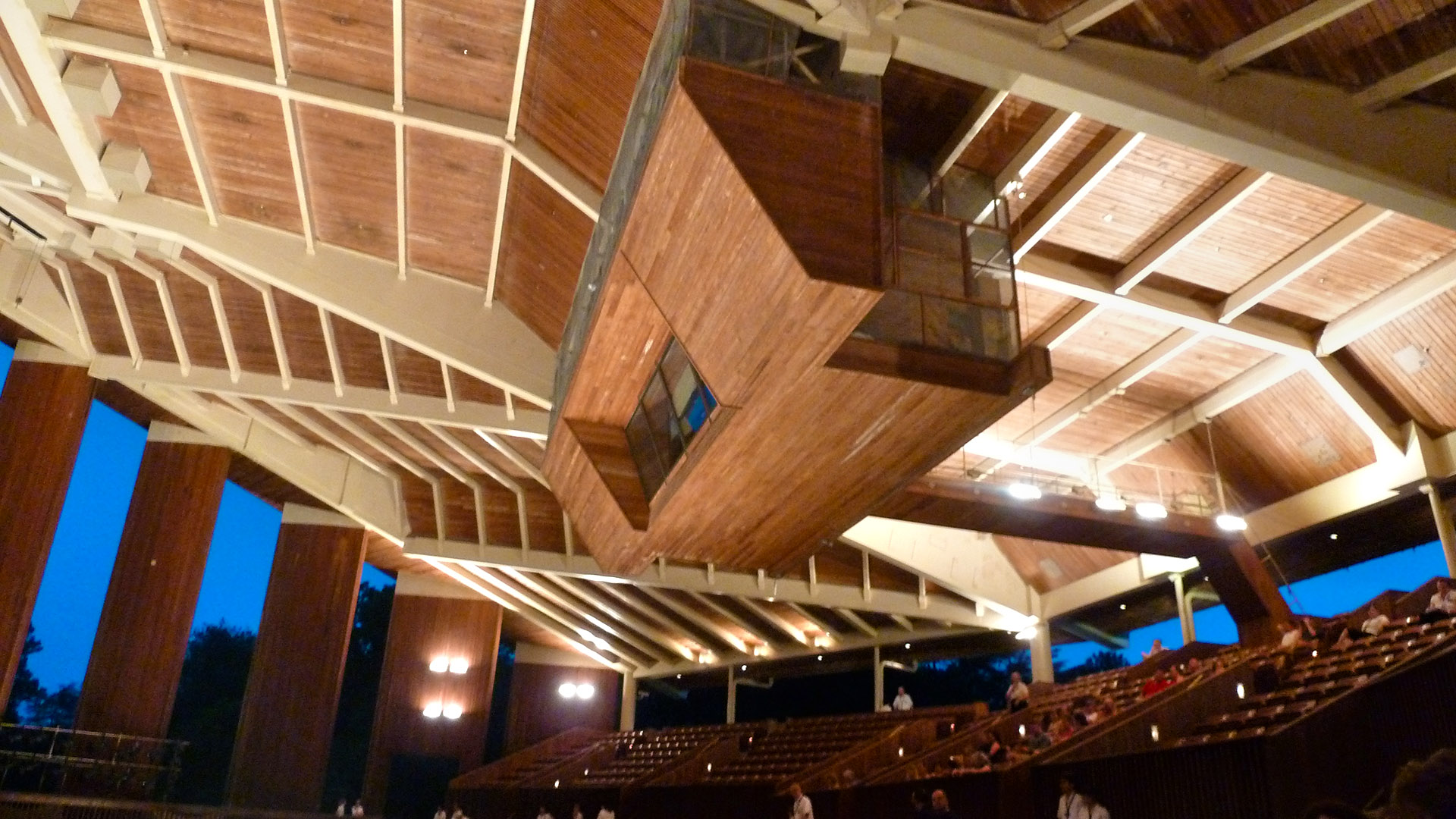
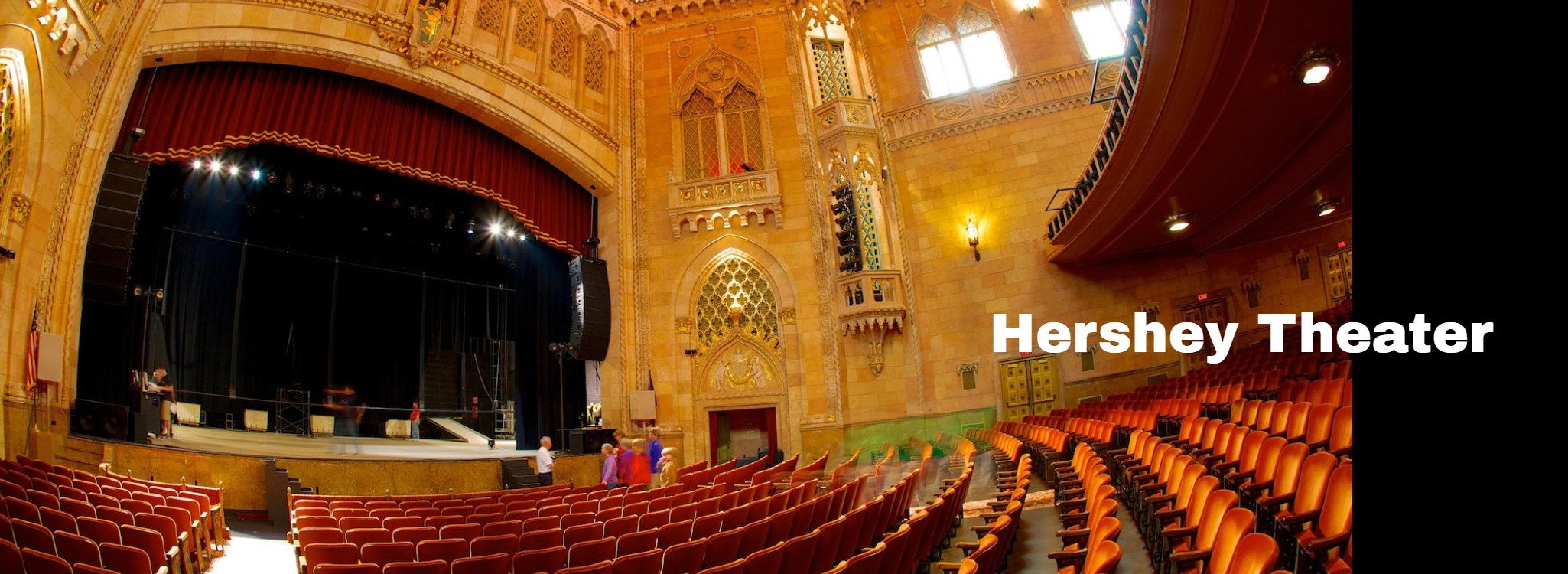
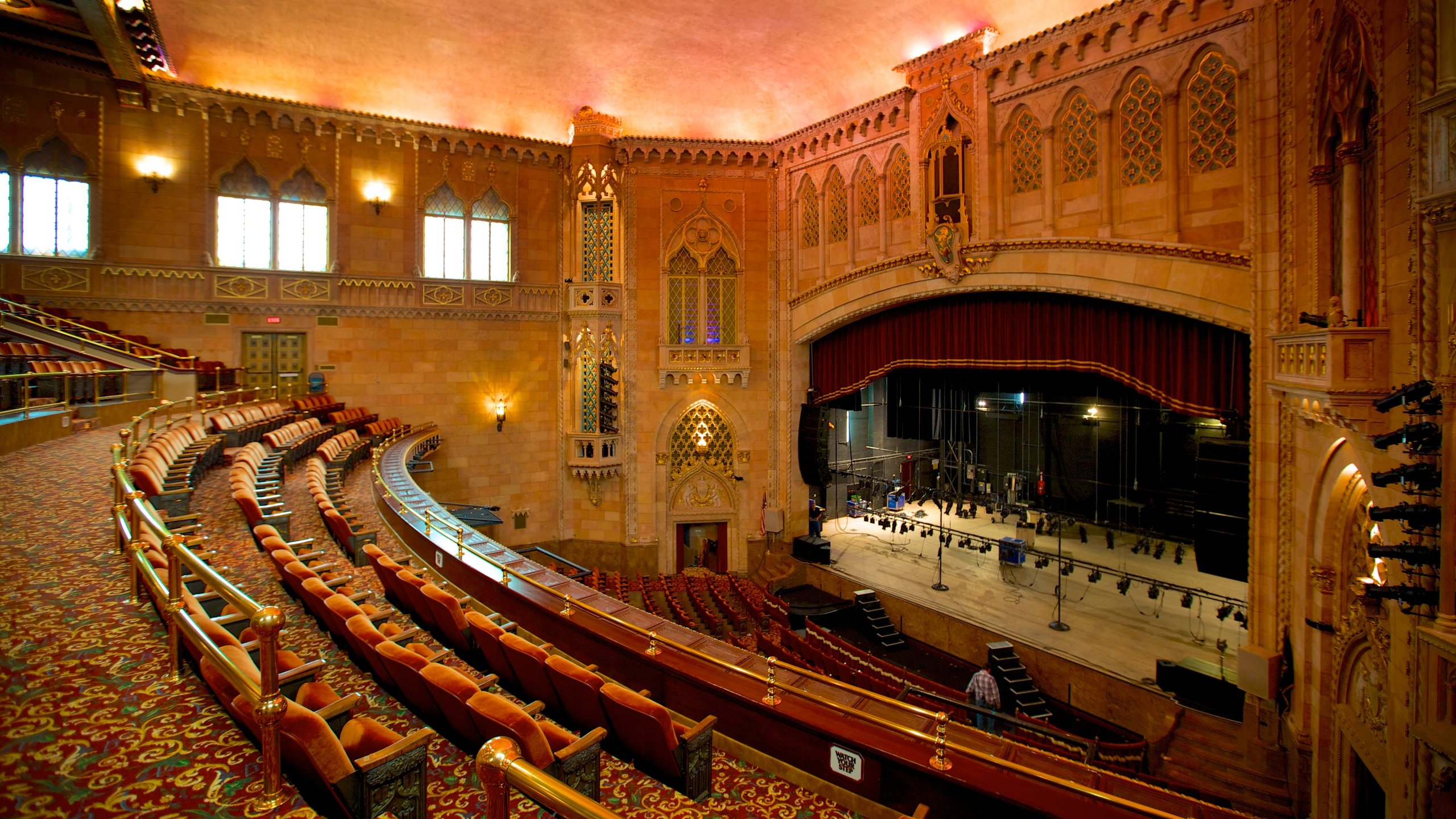
Stadium-Ready Touchless Faucet and Sensor Fixture Gallery
The following Fontana touchless faucet and sensor fixture selections support the same water-efficiency strategy discussed throughout this stadium restroom design guide. These products give architects, MEP engineers, and facility teams finish flexibility while maintaining hands-free activation, controlled water delivery, and a cleaner high-traffic restroom experience.


How AEC Teams Should Specify Water-Efficient Touchless Restrooms
AEC teams should begin with a restroom performance brief. The brief should define peak event demand, expected fixture counts, user-flow goals, hygiene objectives, sustainability targets, and service expectations. It should identify whether the owner prefers hardwired power, battery operation, or a mixed strategy. It should also state whether all public restroom banks will use one fixture family or whether premium areas will receive alternate finishes while preserving the same operating logic.
Next, architects and MEP engineers should coordinate the sink area as a single system. The counter depth, basin shape, faucet spout reach, sensor location, soap dispenser position, hand dryer or towel placement, mirror line, lighting, splash control, and maintenance access should be reviewed together. A water-efficient faucet can underperform if it is installed over the wrong basin or paired with a sensor range that encourages repeated activation. The most sustainable restroom design is one that works naturally for the public.
Contractors should also receive clear documentation. Fixture schedules should list model numbers, finishes, mounting type, power requirements, flow data, access requirements, rough-in notes, and replacement-part references. Submittals should be reviewed early enough to avoid field changes. Before turnover, the team should commission the faucet response, shutoff timing, flow quality, and access points. Facility staff should receive training so the water-saving design can remain efficient through years of events.
Related AEC Resources for Stadium Restroom Planning
Use these resources to expand the topic into stadium restroom infrastructure, smart restroom systems, MEP coordination, sensor accuracy, lead times, approved vendor strategy, zero-downtime operation, and Fontana fixture specification.
Featured Related Resource: Fontana Stadium and Large Venue Portfolio
Start with the Fontana stadium portfolio for broader context on touchless restroom systems, fixture planning, public assembly facilities, sustainability goals, and high-traffic venue operations.
Open Featured PortfolioConclusion: Water Efficiency Is a Stadium Operations Strategy
Water efficiency in modern stadium restroom systems is not achieved by selecting a single low-flow product and moving on. It requires a coordinated strategy that connects fixture behavior, sensor accuracy, pressure management, user flow, power planning, maintenance access, and long-term facility operations. Fontana touchless technology supports that strategy because it gives AEC teams a practical way to control water use while also improving hygiene, reducing contact points, streamlining fixture banks, and supporting sustainable engineering objectives.
For owners, the benefit is both environmental and financial. Controlled run time can reduce unnecessary water consumption. Reliable touchless operation can improve guest perception. Standardized fixture systems can simplify maintenance. Better service access can reduce downtime. Together, these advantages help stadiums meet environmental compliance initiatives while lowering the utility and labor burden that comes with high-capacity public restrooms.
The strongest stadium restroom designs treat every wash station as part of the building’s performance infrastructure. When Fontana faucets, soap systems, fixture schedules, commissioning steps, and maintenance plans are coordinated early, the restroom system becomes cleaner, faster, more efficient, and easier to own.