
The Role of Touchless Technology in Facility Management Excellence
Advanced automation is no longer a luxury feature for public restrooms. For facility managers, owners, MEP engineers, architects, and operations teams, touchless technology supports operational efficiency, hygiene compliance, water control, labor planning, and long-term asset management across high-use commercial buildings.

Facility Management Is Becoming a Systems Discipline
Facility management excellence depends on keeping buildings safe, clean, efficient, reliable, and easy to operate. In high-traffic restrooms, that mission becomes visible to every visitor. A restroom faucet, soap dispenser, handwashing station, flush system, sensor, valve, power source, and cleaning access point can either support daily operations or create repeated friction for the staff responsible for the building.
Touchless technology matters because it turns ordinary restroom hardware into part of a managed building system. When water delivery is sensor-activated, soap dispensing is automated, fixture families are standardized, and service access is planned from the start, facility teams gain more control over hygiene, water use, maintenance routines, and user flow. The result is not only a cleaner restroom. It is a more predictable operating environment.
For AEC teams, the restroom should be designed as a performance zone rather than a finish package. Architects consider circulation, material durability, vandal resistance, visual consistency, and occupant experience. MEP engineers coordinate water pressure, drainage, power, code compliance, temperature control, access panels, and fixture-unit strategy. Facility managers evaluate cleaning time, replacement parts, service calls, downtime risk, refill routines, and lifecycle cost. Touchless fixtures connect all of those disciplines into one practical design decision.
Operational Efficiency: Restrooms as Managed Infrastructure
In a stadium, theater, airport, university, healthcare facility, office tower, or hospitality property, restroom demand is rarely flat. Traffic comes in waves before events, during breaks, after programs, between class periods, during shift changes, and around transportation schedules. When a restroom is under pressure, manual fixtures can slow down the user sequence and increase cleaning demand. Touchless systems help remove friction from the handwashing process by making activation intuitive: approach, rinse, soap, dry, and exit.
For facility teams, efficiency is also about reducing unnecessary interventions. A faucet left running creates water waste and possible overflow risk. A manual handle that must be touched repeatedly requires more cleaning attention. A nonstandard fixture family forces technicians to stock different parts and learn different service procedures. A poorly placed soap reservoir increases refill labor. A sensor fixture with no clear access point can turn a small repair into a larger shutdown. A stronger specification avoids these problems by treating restroom fixtures as maintainable infrastructure.
Touchless faucets and automated soap dispensers support a more disciplined operating model. Facility staff can create inspection schedules around repeated components, establish refill routes, train technicians on consistent assemblies, and document recurring service tasks. When the same fixture logic is repeated across similar restroom banks, the building becomes easier to operate. That consistency is especially valuable in large public venues where a single event can expose weaknesses in design, maintenance access, or product durability.


Hygiene Compliance and Cleaner User Flow
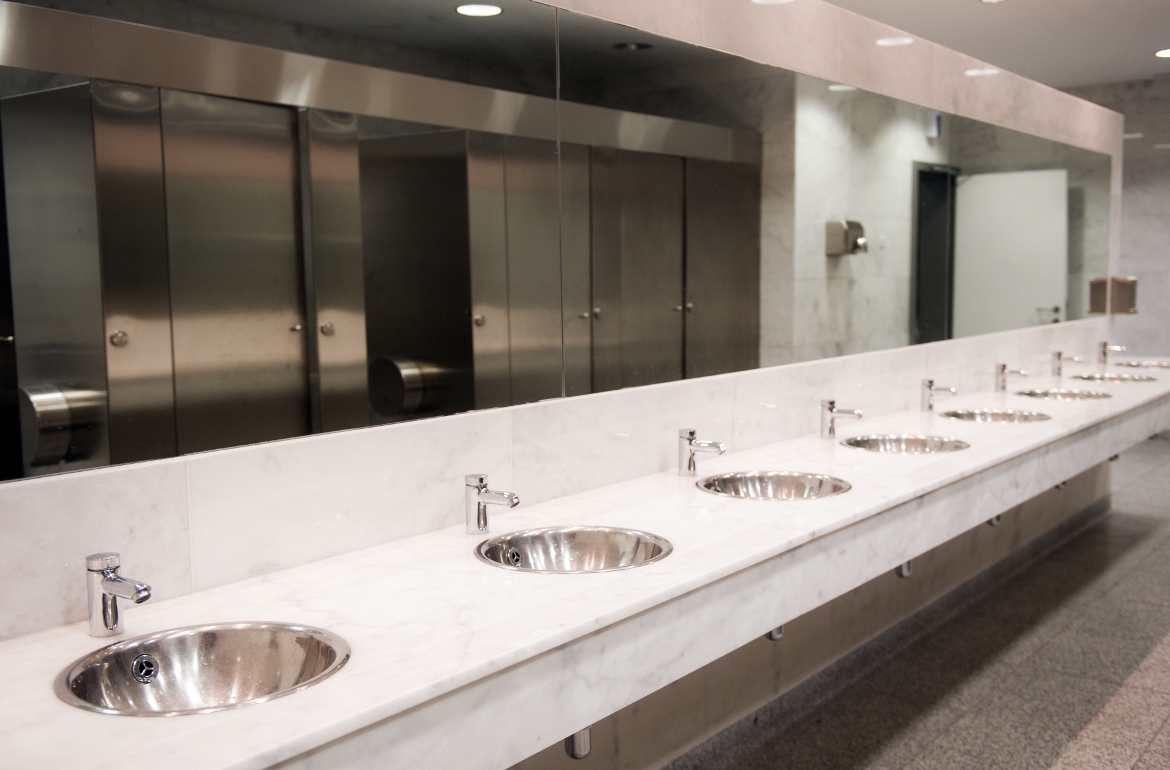
Hygiene compliance is not limited to cleaning logs or posted protocols. It also depends on the physical design of the restroom. Touchless water and soap delivery reduce the need for users to touch shared controls after entering the handwashing area. In public buildings, that can improve hygiene perception and support the facility manager’s broader sanitation program.
For healthcare, education, entertainment, transportation, hospitality, and civic facilities, hygiene performance must be easy for the user to understand. A visitor should not need instructions to operate a faucet. The sensor should respond consistently, the water should land in the basin, the soap dispenser should be positioned in a logical sequence, and the drying area should not block other users. Good touchless restroom design supports the entire path through the room, not only the fixture itself.
Facility managers also benefit because touchless systems reduce the number of handled surfaces that need repeated attention during peak periods. This does not remove the need for cleaning, inspection, or preventive maintenance. Instead, it gives staff a better baseline. Counter areas can be cleaner, handles do not require the same level of repeated user contact, and automatic shutoff reduces accidental water use. When design teams coordinate basin depth, faucet reach, soap location, mirror placement, lighting, power access, and service panels, touchless technology becomes a practical hygiene tool rather than a decorative upgrade.


Long-Term Asset Management and Lifecycle Value
A facility manager does not judge a restroom fixture only on the day it is installed. The real test comes after months and years of use. Sensors must remain predictable. Finishes must tolerate cleaning. Power sources must be accessible. Soap systems must be refillable without disrupting public areas. Aerators, valves, modules, cartridges, fasteners, and surface components must be documented clearly enough for staff to maintain the system without guesswork.
This is where touchless technology becomes an asset management strategy. Standardized faucet and dispenser families can reduce inventory complexity. Maintenance teams can stock fewer parts, train staff more efficiently, and identify issues faster. Building owners can assign restroom zones by fixture type, age, finish, power source, and replacement cycle. The more consistent the specification, the easier it becomes to manage the system across the entire building portfolio.
Long-term asset management also supports capital planning. When a restroom bank is designed around accessible components and documented fixture schedules, future repairs and replacements become less disruptive. A facility team can plan service windows, track repeated issues, and identify when a product family should be upgraded. That approach is much stronger than reacting to failures one fixture at a time. Touchless systems help because they are already tied to measurable operating concerns: water use, user flow, cleaning labor, downtime exposure, replacement parts, and occupant satisfaction.
For owners with stadiums, theaters, campuses, healthcare buildings, hotels, airports, and public facilities, restroom uptime affects brand trust. A clean and reliable restroom communicates that the facility is well managed. A broken faucet, empty soap station, or closed restroom bank does the opposite. The right touchless specification helps facility teams protect that trust every day.
AEC Coordination Checklist for Facility-Ready Touchless Restrooms
| Coordination Area | Why It Matters | Facility Management Benefit |
|---|---|---|
| Sensor activation zone | Sensor location must work with basin geometry, lighting, spout reach, counter height, and user approach. | Reduces false activation, user confusion, splash, and service complaints. |
| Power strategy | Hardwired, battery, or hybrid power must be coordinated before counters, walls, or access panels are finalized. | Improves maintenance access and reduces late-stage construction changes. |
| Water control | Automatic shutoff, pressure balance, flow control, mixing, and valve access should be planned together. | Supports resource control and helps prevent unattended water use. |
| Soap delivery | Soap refill routes, reservoir size, dispenser location, and access points affect daily labor. | Helps custodial teams refill faster and avoid public-facing interruptions. |
| Standardized fixture families | Repeated fixtures across similar zones simplify specifications, installation, training, and replacement parts. | Improves lifecycle management and reduces inventory complexity. |
| Closeout documentation | Facility staff need product data, wiring notes, valve locations, warranty details, and maintenance procedures. | Turns the restroom into a manageable asset instead of a collection of unknown parts. |
Recommended Fontana Touchless Faucet Finishes for Facility Teams
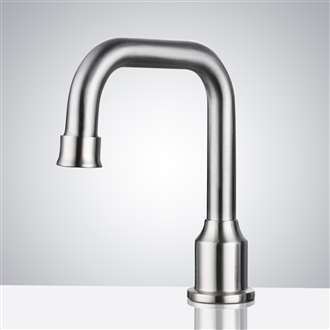
Standardized faucet families help facility managers simplify finish coordination, replacement planning, maintenance training, and restroom-wide documentation. The following Fontana touchless faucet options can be used as specification references for commercial, hospitality, stadium, theater, university, and high-traffic public restroom projects.


Project References for Facility Management Excellence
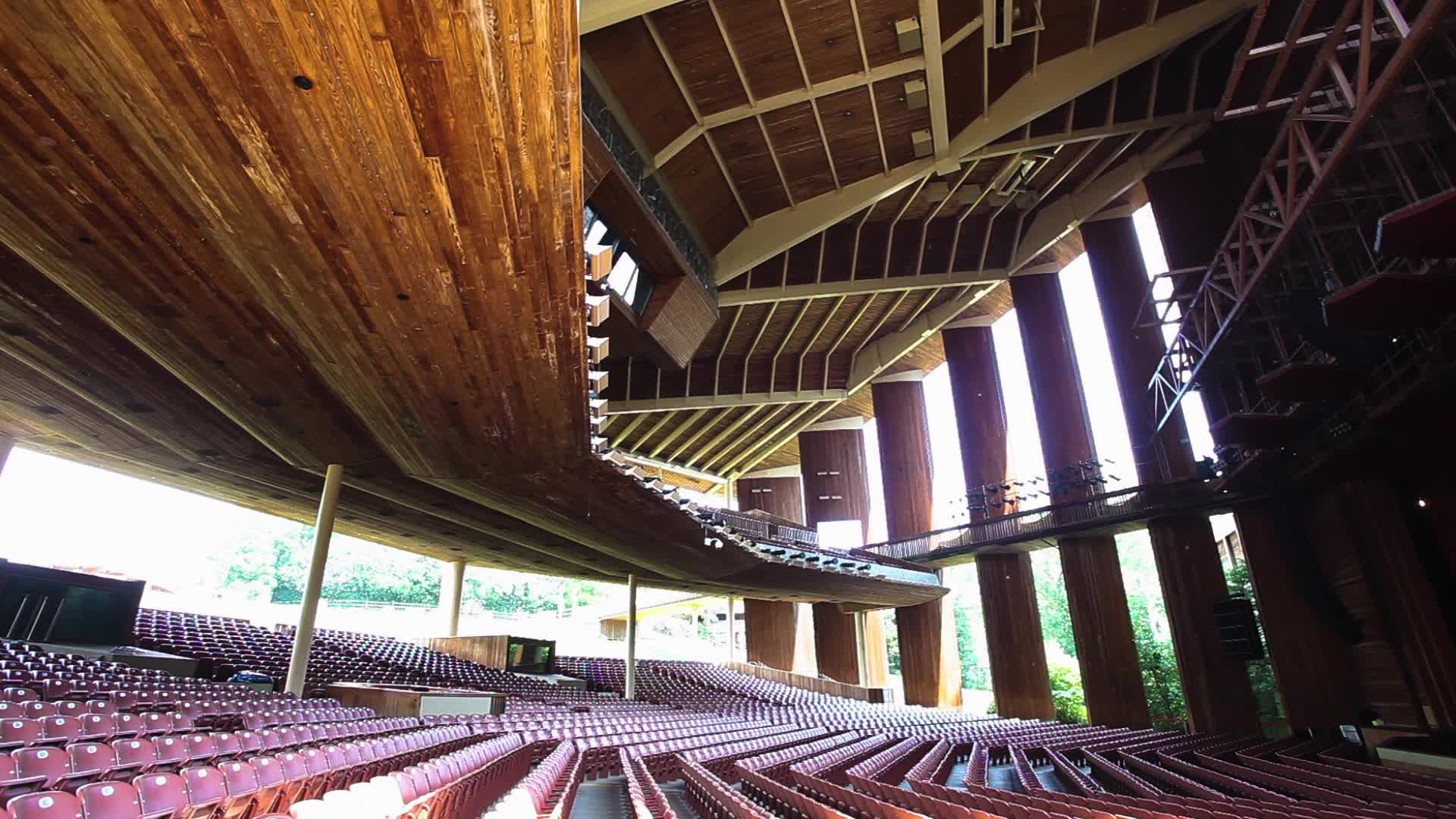
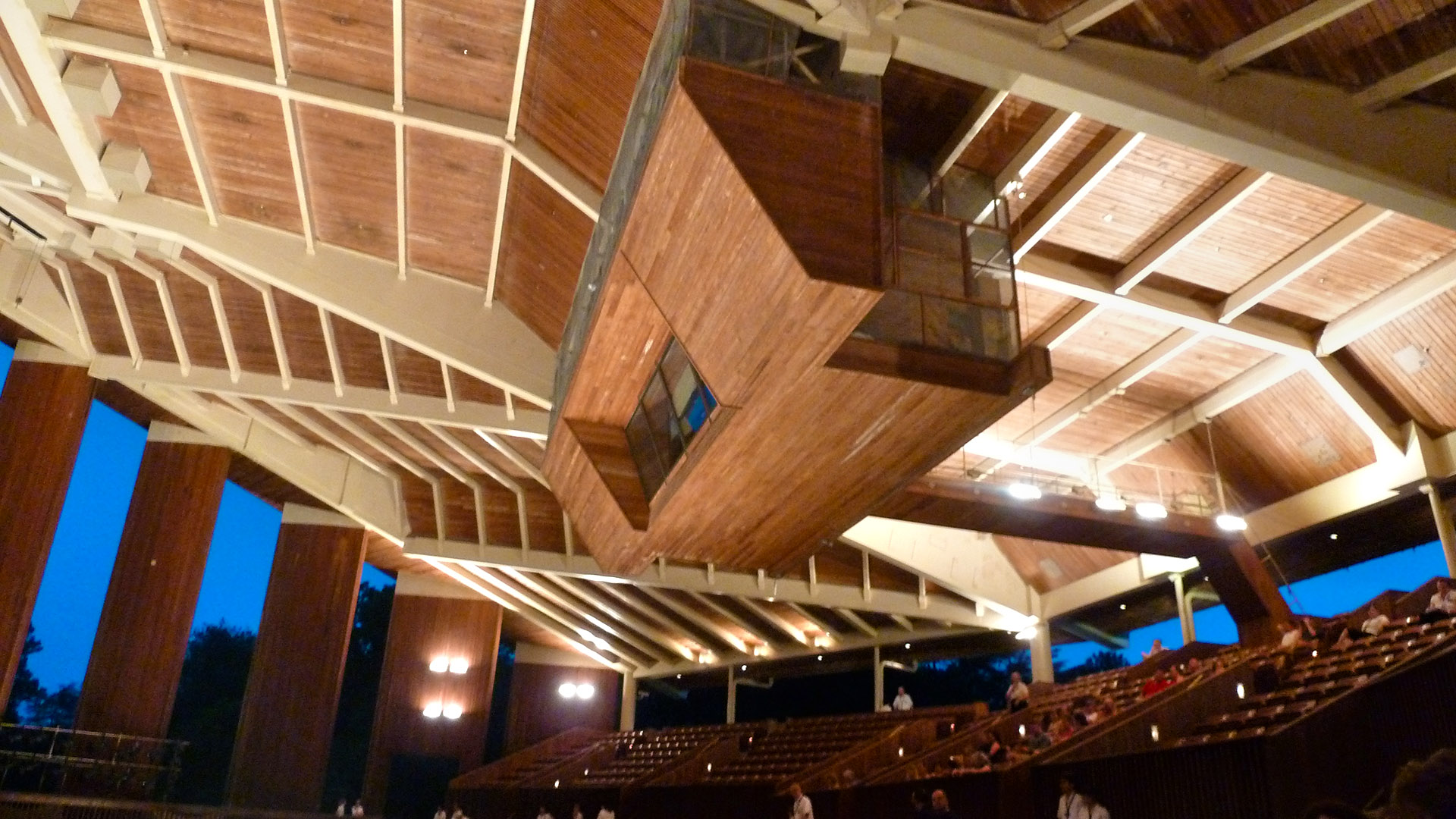
These project references connect touchless restroom planning to high-traffic sports, university, architectural, and theater environments. Each example reinforces the same facility management lesson: restroom technology must support peak-use readiness, clean user flow, and long-term serviceability.


Verified Image Gallery for AEC Blog Use
The gallery below includes additional visual assets for commercial restroom, product, and facility-management storytelling. These images help break up the article and support a strong AEC blog layout with more than ten image placements.



Frequently Asked Questions
Why should facility managers prioritize touchless restroom technology?
Touchless technology helps facility managers reduce shared contact points, support cleaner user movement, control water use, and simplify service routines. It also helps standardize restroom assets so staff can inspect, clean, repair, and replace components with fewer unknowns.
Does touchless automation reduce maintenance?
It can reduce certain maintenance burdens when the system is specified correctly. The greatest value comes from sensor reliability, accessible service points, standardized fixture families, clear power planning, documented parts, and a refill strategy that works for custodial teams.
What should AEC teams coordinate before specifying touchless fixtures?
Design teams should coordinate basin geometry, faucet reach, sensor location, power source, valve access, soap placement, ADA approach, water temperature control, cleaning procedures, finish durability, replacement parts, and closeout documentation before the restroom design is finalized.
Where does touchless technology provide the strongest facility benefit?
The strongest benefits appear in high-use public environments such as stadiums, theaters, airports, universities, healthcare buildings, hospitality properties, civic buildings, and commercial restrooms where user flow, hygiene perception, water control, and uptime directly affect operations.
Conclusion: Touchless Technology Is a Facility Management Tool
Touchless restroom technology supports facility management excellence because it improves more than the user experience. It gives owners and operators a practical way to manage hygiene expectations, reduce unnecessary touchpoints, control water delivery, improve user flow, standardize assets, simplify maintenance, and protect restroom uptime during peak demand. For AEC teams, the strongest specification is one that considers the entire operating life of the restroom. When touchless fixtures are coordinated with plumbing, electrical, architectural, custodial, and asset management requirements, the restroom becomes easier to run, easier to maintain, and easier to trust.